Author: Editor

  • How to Prepare for Traveling with a Baby

    How to Prepare for Traveling with a Baby

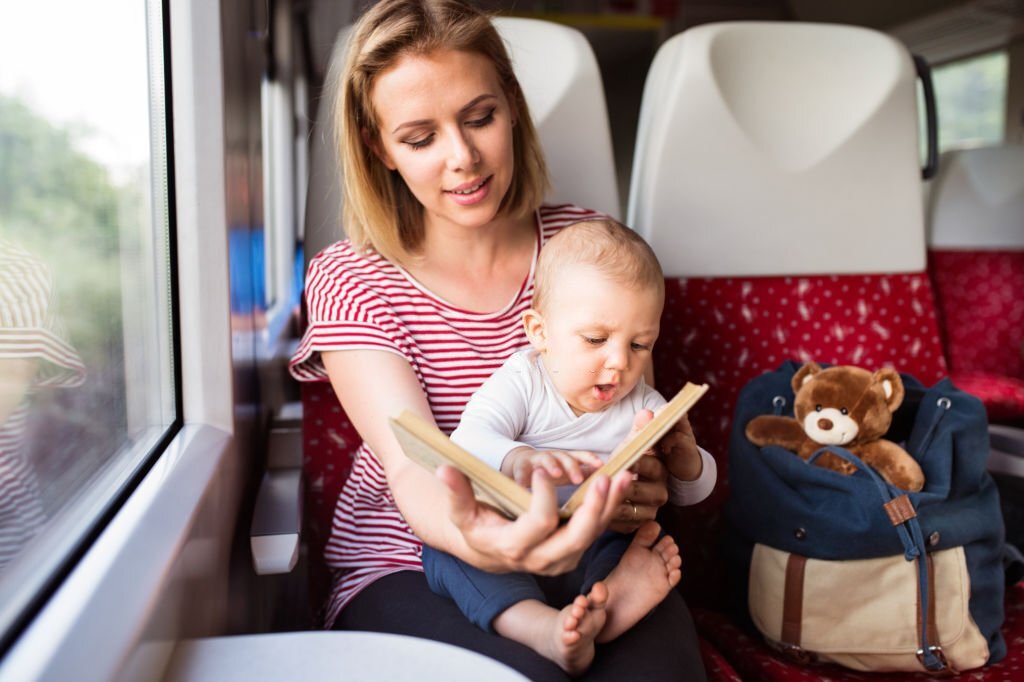
    Having a new baby can be overwhelming, and the thought of traveling with an infant may seem completely impossible to you. However, with the right prepwork you can totally travel by plane, train or car with a baby — you just have to do your research and plan ahead. Here are some of our top tips for traveling with a baby, from packing cute baby boy clothes to getting a passport for your infant:

    Start with a road trip.

    This will be the easiest, least stressful way to travel with your baby for the first time. Traveling by car allows you to pack a lot of luggage and means that you don’t have to fuss with airport security or trying to get a coveted bassinet. If you are planning to fly with a baby anytime soon, try doing a short weekend trip by car first as a test run so that you can work out what luggage you need and how you want to organize things.

    Know the airport and airline regulations.

    Usually, people traveling with small children will be allowed boarding priority, and there is often a priority option or sometimes a dedicated line at security for families as well. Sometimes you might have to pay an extra fee to fly with an infant in your arms, but this varies from airline to airline and you might have to call to confirm the charges and pay the fee (if there is one). If you need more space but don’t want to pay for an extra seat, you can always ask at the ticketing counter if there are any empty seats on the flight and if you can be seated next to them.

    Be early for long flights.

    Most long haul flights have baby bassinets that attach to the bulkhead, and these are usually given out on a first-come, first-serve basis at the gate. You can call ahead to try to reserve it or at least put in a request for it, but your best bet is going to be showing up early in person. Each airline has different size bassinets and therefore different weight restrictions on how large the baby using it can be, so do your research ahead of time to make sure that your baby will actually fit.

    Choose your lodging wisely.

    Many hotels and Airbnbs provide a crib or pack-and-play upon request, making this one less thing that you have to bring with you. Some also feature in-house laundry units, which means that you can pack less clothing for both you and baby. Try to book far enough in advance to maximize your chances of finding lodging with these helpful perks.

    Pack the essentials.

    Once you know what your lodging will provide, make a list of the essentials that you need to take with you. Obviously, there will be some items that you will need with you en route, plus some items that it would be expensive to buy duplicates of (like a breast pump). However, there will also be items that you can pick up once you arrive, such as diapers and formula. You can also minimize the number of cute baby girl clothes you have to pack if you can commit to doing laundry while you are there.

    Rent a car with a car seat.

    If you plan to get around by car, ask the rental company if they provide car seats for renters, as many companies will. If this isn’t a possibility, then get a car seat that can clip into the stroller seat so that you aren’t stuck carrying an extra heavy, bulky piece of gear on the plane or train.

    Wear the baby as much as possible.

    While your baby is still small, wearing them (vs. putting them in a stroller) is often the easiest way to travel with them, especially in airports. Strollers can be difficult to wrangle through security and they’re difficult to fold and unfold while trying to hold the baby, so you might as well put off using one for as long as you can until your baby gets too heavy to carry around.

    Get a noise machine or app.

    If your baby is a light sleeper, a white noise machine or app will help mask distracting background sounds so they will fall asleep and stay asleep. If you don’t want to sacrifice one of your phones to do this all night, you can get a dedicated white noise machine that is precisely designed to do this. Be sure to choose a small one that will easily fit into your luggage.

    Get them a passport.

    If you are traveling internationally, remember that babies need passports, too! Start the passport process well before you plan to leave so that you don’t have to go through an expensive and stressful expediting process. Note that there are some extra documents and requirements for getting a passport for a baby, so it’s not exactly the same as getting a passport for an adult.

    Plan for jet lag.

    If you are moving across time zones, then it’s going to take you and the baby time to adjust to the new schedule — and the farther you go, the longer it will take. If possible, try to schedule your flight or drive during their bedtime so they will wake up at your new destination. Build a few days into your schedule to give the whole family time to recover from jet lag. You can try to change their schedule before you leave, but it’s up to you whether you want to attempt that or not.

    Turn traveling with your baby from a dream into a reality with these expert tips. Got more advice for traveling with a baby? Share it with us in the comments below!


  • Diaper Bag Features Must-Haves

    If you’re in the market for a new diaper bag, it can be helpful to focus on the key features that will make your experience much more enjoyable and stress-free. By focusing on quality and functionality, you’ll be able to shop with confidence and enjoy life with your little one all the more. Here are three diaper bag features to consider when wondering what to look for when buying a diaper bag– hopefully, you’ll find one or two things on this list that will make all the difference!

    Front Panel Access

    A diaper bag is not a purse; you’ll be using it quickly and often to find everything you need in a jiffy. With that in mind, having front panel access (or at least an easy-access exterior pocket) is essential. In many cases, your fingers will act as a scanner across multiple pockets before they land on what they’re looking for, so think carefully about where those pockets are located. If one of your diaper bag feature must-haves is quick and easy entry and exit, make sure any pockets on your front flap or exterior are super simple to open and close—otherwise, you could lose precious seconds digging through all of them just to grab a pacifier or sippy cup

    Multiple Carrying Options

    The best diaper bags have a few different carrying options. Some offer backpack straps, some messenger bags, and others duffel handles. If you do opt for a backpack-style bag, make sure it has padded shoulder straps and is made of sturdy material to ensure comfort while on the go. Also, look for an easy access pocket that allows you to get items in and out quickly. Finally, consider stroller clips or sling-style baby carrier attachments to wear your diaper bag over your shoulder on busy days when both hands are full!

    Enough Space

    One of the diaper bag feature must-haves is enough space to carry everything you need. The size of your diaper bag will determine what else you can fit in it, so first check that it can comfortably hold all your essentials before shopping for extra features. For instance, a lot of bags come with stroller straps but you may not actually need or want those features, so evaluate how much they’ll add to your bag and if they’re truly necessary.

    Shoulder Strap

    What to Look For When Shopping Diaper Bags If you’re expecting a baby, or know someone who is, you might have noticed that diaper bags come in all shapes and sizes. There are so many diaper bag options out there that it can be overwhelming to figure out what you need—and what’s even worth looking at. We asked some moms which features they think are most important when shopping for a diaper bag, and we found that when it comes to shoulder straps, these mamas had their own ideas about how things should work: two straps or one? Wide or thin? One strap over both shoulders or across one shoulder? This of course depends on preference. The majority of seasoned moms prefer a backpack style because the two straps are more comfortable and allow for free hands to carry both baby and bag.

    Extra Storage Space

    Diaper bags have to be big. You can’t have it be too small or you won’t be able to carry all of your baby’s essentials. You’ll need extra storage space for diapers, wipes, extra clothes, burp cloths, and more. Diapers take up a lot of room so you want a diaper bag that will fit all of your baby essentials comfortably without being too bulky or difficult to carry around daily. If you’re looking for a diaper bag for mom or dad make sure that it’s easy to carry with one hand as well.

    It’s important to note that there is no perfect diaper bag, but if you look for certain features and consider your lifestyle needs, it can make a huge difference. If you’re not sure what you need and what questions to ask yourself as you shop around, consult our what to look for the list above. Most importantly? Have fun! A diaper bag should help organize and simplify your life—not complicate it.

  • Quick Changes You Can Make To Prevent Back Pain

    Quick Changes You Can Make To Prevent Back Pain

    If you’ve ever relieved back pain by sticking a cushion behind your back, you’ll know how small changes can make a big difference to back pain. But are there any quick ways to prevent back pain in the first place?

    The answer depends on the nature of your back pain. Occasional back pain is symptomatic of aggravating an old injury or sleeping funny, while chronic back pain is usually a symptom of something more serious, like a medical condition.

    The good news is most back pain can be prevented and alleviated relatively quickly. Here are some quick changes you can make today:

    Sleep on a comfortable mattress

    Pocket-Gel-Mattress

    Pictured: Sleepeezee Jessica 1800 Pocket Gel Mattress, Available from Bedstar The Online Bed Superstore.

    If you wake up with back pain, your mattress could be blamed. The easiest way to choose a mattress is based on what position you sleep in:

    • Side sleepers need a medium mattress
    • Front sleepers need a soft to medium-soft mattress
    • Back sleepers need a medium to medium-firm mattress

    The technology of the mattress (e.g., foam, hybrid, sprung) determines the feel, such as how squishy, bouncy and pressure-relieving it is.

    A Memory foam mattress or hybrid mattress is perfect for most back pain because the memory foam has body-contouring qualities. However, if you need more support, a sprung mattress should be top of your list.

    Stretch every morning and night

    Stretching before bed and after waking up keeps your muscles and ligaments strong and healthy. Providing you don’t overexert yourself when stretching, stretching will help prevent back pain by loosening up your muscles.

    Work on your core strength

    If you have lower back pain, you might need to work on your core strength. A strong core prevents back pain by making lifting and moving easier. If your core is weak, then your back and other muscles in your body have to work harder.

    Healthline has a detailed guide on core exercises. The most important thing is to take it slow and build your core strength over time.

    Lose some weight

    Carrying extra pounds in your midsection shifts your centre of gravity and strains your lower back. You will also find it more challenging to do everyday things.

    Staying within five pounds of your ideal body weight is the perfect scenario. You can calculate your ideal weight using the NHS’s BMI calculator.

    Pay attention to your posture

    Your posture plays a significant role in back pain. Poor posture causes back pain by increasing the load on your spine, which causes weakness in your muscles. Over time, it can create chronic back pain that is hard to alleviate.

    Here are some of the most common posture mistakes:

    • Slouching in a chair
    • Standing with a flat back
    • Standing with one leg out
    • Hunching over when reading
    • Sticking your bottom out when standing

    Work at a comfortable height

    Whether you sit in front of an office desk or a welding desk all day, working at a comfortable height will prevent back pain.

    You can get an adjustable office chair or an adjustable workbench depending on what you do. Work on your posture if you stand all day (see above).

    Sit in the driver’s seat properly

    Your driver’s seat should be positioned so that your spine rests flat against it, and the chair should be high enough, so you don’t need to lean forwards.

    If your seat doesn’t have lumbar support and prone to lower back pain, you can place a small cushion behind your back instead.

    Use proper lifting technique

    Incorrect lifting can cause serious injury to your back and hips, from slipped discs to trapped nerves and muscle tears.

    Before lifting anything, consider if you can. If it is heavy, ask for help or use equipment that will lift for you or share the load.

    The Health and Safety Executive has an excellent guide to lifting correctly. As a rule, bend your hips and knees to squat down to your load and straighten your legs to lift. Don’t lean over the load or lift with your back.

  • Should You Wake A Baby for A Diaper Change?

    Should You Wake A Baby for A Diaper Change?

    We know how beautiful the new journey of parenthood is. Unfortunately, we also know the constant worry this stage brings. One of the biggest worries for new parents is their baby’s diaper changing routine. When is the optimum time to change their diaper? And do we wake them up for a diaper change?

    Fortunately, we have all these answers for you today. This article will highlight the various factors to consider if you think you need to wake your baby to change their diaper. We will also list the best times to change their diapers to allow them a peaceful nap. So, let’s get started!

    Things to Consider

    • Your Baby’s Skin Sensitivity

    Does your baby have super sensitive skin? If so, then they will be very much prone to diaper rashes. Also, if your baby already suffers from allergies or eczema, you have to change their diapers now and then. Just make sure to do it as gently as possible, and it won’t be a problem.

    • Type of Diaper You Are Using

    The kind of diaper you use is a massive factor in this debate. For example, if you use modern disposable diapers, you won’t need to change them very frequently. These are very absorbent, keeping your child comfortable and dry. Plus disposable natural baby diapers also lowers the risk of rashes on your baby’s soft skin.

    Again, if your baby’s diaper is too big or too small, it might leak often. Then you will have to change them to keep your baby dry. Also, cloth diapers are more problematic than disposable ones. They get wet faster and thus need to be changed frequently. We suggest if you use cloth ones during the day, switch them for disposable ones at night. At least the changing frequency will be less, allowing your baby some sleep.

    • The Wetness of the Diaper

    Several studies suggest letting our babies sleep unless they have pooped or are very wet. A little pee inside the diaper is fine, as it is made to hold a small amount of liquid. So unless you find the diaper to be soggy, no need to wake them up; your baby will wake up by themselves if uncomfortable in a wet or soggy diaper.

    • Whether It Is A Number 1 or 2

    If your baby becomes uncomfortable and seems a little fussy, check the diaper. If your baby has pooped, you have to change their diaper, as it now contains harmful bacteria that can cause rashes and infection.

    Again, if they pee a little, no need to change their diaper, but if the diaper seems wet, they have peed a lot, you have to change the diaper immediately. Even if it means waking them up in the middle of the night.

    Optimum Time to Change Your Baby’s Diaper

    • Before Bedtime

    Always make sure to put on a fresh diaper before your baby goes to sleep. This way, they can sleep longer without a change, giving them a peaceful nap.

    • During Their Feed

    If your baby only sleeps for 2-3 hours every time, the best time to change their diaper is during their feed. This way, even if they doze off during their diaper change, it will be with a relatively drier diaper. You can also change their baby diaper after the feed. This way, they will be semi-conscious and won’t be too difficult while you change.

    • Without Stimulation

    When you think you need to change your baby’s diaper during their sleep, try to change it without waking them up. Get the lights dim, and quietly and slowly do the work. Waking up your baby from their sleep will make them irritable, and it would be challenging to get them back to sleep.

    Conclusion

    And that’s all you need to know! We hope this article answered all your queries regarding baby diaper changing and when to do it. We wish you all the best on your new journey with your beloved little one!

  • 5 Factors To Consider Before Buying An Air Conditioner

    5 Factors To Consider Before Buying An Air Conditioner

    Do you consider all aspects before making a purchase? Do you weigh the pros and cons of a purchase? If the answer is no, you should start examining all important aspects of an item before buying it. An air conditioner is a vital piece of equipment responsible for the pollution levels and temperature of your home. When buying an Air Conditioner box hill, a few things to keep in mind to make the purchase worthwhile.

    Tips To Consider When Buying Air Conditioner

    1. Capacity

    The size of the room or residence and the amount of cooling required dictate the size of the air conditioner you should choose. The proper sizing of your air conditioner is critical to its efficiency and longevity. The capacity of an air conditioner is determined by various variables, including the room’s size, location, and several people. Calculate the tonnage or BTUs required for your house before purchasing an Air Conditioner box hill.

    2. Energy Efficiency

    The Bureau of Energy Efficiency (BEE) standardizes star-rated energy efficiency ratings for air conditioners (EER). Before purchasing an air conditioner, check the energy efficiency star rating: the more stars, the more efficient the air conditioner. Energy-efficient air conditioners consume less electricity, cutting utility expenses. Lower energy bills equal lower costs, so buy an AC with a better star rating or energy efficiency.

    3. Split or Window AC

    Window AC uses a single portable box that includes all critical components and is put on a room’s window. These are best for cooling a single room. Split ACs feature two independent units. It contains a blower, cooling coils and an air filter. The compressor, condenser coils, and capillary tubing are outside the AC unit. Split ACs can chill larger rooms better than window ACs. However, split Air Conditioner box hills are quieter and offer greater air dispersion.

    4. Air Quality:

    Indoor air quality is a consideration when purchasing an air conditioner. Improving the quality of your indoor air starts with a decent filter. The AC’s air filters assist in removing dirt and bacteria from the air and smoke and smell. A good filter not only cleans the air but also keeps dust and grime off the evaporator coil, boosting the AC’s performance and efficiency. Also, check for a dehumidifier in your air conditioner to minimize humidity in your room. Dehumidifying air conditioners give improved cooling and comfort.

    5. Cooling speed:

    You may adjust the thermostat and fans to achieve different temperatures at various times of the day. Establishing changeable pre-defined temperatures increases cooling efficiency while simultaneously lowering energy consumption.

    Choose the best quality Air Conditioner:

    You can search for such air conditioners online and check their reviews to choose the best one. Apart from that, you must check their installation guideline before you buy. Choose a company that offers an installation facility at your doorstep.

    You must choose an air conditioner according to the size of your rooms. You need to check the cooling capacity of such air conditioners before you buy because the inadequate cooling capacity and power loss can make your discomfort. So, you can call an expert and get your home inspected. They can suggest to you the best type of air conditioner within your budget.

    Conclusion

    Making the decision on which Air Conditioner box hill is best for you is a tough chore, but it is one that you must complete with care since it is so vital. Since an air conditioner is a large and costly device, making the incorrect option may cost you both money and comfort. We have highlighted the things to consider before purchasing an air conditioner in this article, which will assist you in selecting the most appropriate air conditioner for your needs.

  • 10 Tips for Spending Quality Time With Your Kids

    10 Tips for Spending Quality Time With Your Kids

    Parents and kids often have very busy schedules. This is no wonder, given all the school and work responsibilities, everyday stress, and housework. However, this doesn’t have to be an excuse not to spare time with your kids. However, it might lead you to fear that your kids will be bored, throw tantrums, or that you’re all going to be too flushed at the end of the day to entertain your kids.

    How can I make our time with kids worthwhile?

    You shouldn’t feel guilty for not spending as much time with your kids as you’d want, as it’s not the quantity of time, but the quality of time that really counts. You can have a lot of fun with them, all you need is a clear plan and to make some small changes. With the following tips you can’t go wrong, so read on!

    Foster connection

    Make sure that you have an established channel of communication with your kid. If you can’t make it to have a short recap or conversation at the beginning or end of the day, you can exchange notes with them with short messages, or agree to send a note, or make a short phone- or video-call.

    Establish a family ritual

    This doesn’t have to be anything too elaborate. It can be a small daily activity when you gather around and exchange notes, or a weekly or monthly get-together where you put all other plans on stand-by. For instance, you can do some housekeeping together, exchange hugs, or make a weekly family dinner.

    Don’t skip meal time!

    Breakfast, lunch, or dinner, it doesn’t matter. This is the time when you can gather, share a meal, and exchange views on the ongoing events. Researchers agree that family meal time is essential for bringing the sense of happiness and community to your home.

    Scratch technology

    It’s one thing watching a movie or cartoons together, or reading an eBook out loud, but try to minimize the time you spend in front of the screen. Forget about scrolling through social media, messaging, or answering calls. If necessary, put your phone on airplane mode, set your laptop on standby, and leave your kids tablet in the cupboard, and focus on the precious time you can share.

    Run a small project

    Have a thing you’re working on together, be that a small landscaping project, building a bookhouse, treehouse, setting up bird feeders and birdhouses, stone painting, creating a LEGO table, and invite all family members. Even better, when you’re done, you can have a public display of your work, invite the whole neighborhood, and create a festive atmosphere.

    Learn something new together

    Visit a local museum, landmark, a historic district, or archeological site, and make sure that the tour guide gives you as much information as possible. Learn a new cooking technique together, try out a new recipe, or watch a documentary with your kids. Take a foreign language class with your kids, and learn from them.

    Have a good laugh

    Don’t forget to put a smile on their face, and have your own routine of jokes and anecdotes that you’ll enjoy telling over and over again. When times are hard, this will alleviate some of the stress, and show that you enjoy the company of your kids.

    Reward positive action

    Good behavior should be reinforced, so don’t forget to reward it with a “Bravo”, “Good job”, “Awesome”. Also, don’t forget to treat your kids to their favorite meals and toys when they’re exceptionally good.Over time, they’ll be motivated to act responsibly and amicably without expecting an actual reward, but don’t take that for granted!  If you’ve promised something, stick to it!

    Playtime anytime

    You’re dropping them at school, or travelling to see a doctor, or taking your cat to the vet, or waiting with your family to catch a flight at the airport. There’s a number of games that you can play with your kids without toys. However, for toddlers and younger children in general, having their favorite doll, teddy, or action hero might serve as an additional reassurance, so make sure to have them handy.

    In addition, since kids love physical activity, make sure to take them to open door parks in the vicinity, or in case of inclement weather, to an enclosed fun park like Uptown Jungle in Peoria just a couple of blocks away.

    Show affection

    Don’t take your time together for granted. Tell your kids how much they mean to you, hug them, kiss them, and show them your love. This way, they are more likely to grow up into caring and loving individuals, with better self-esteem, a likeable personality, and higher emotional IQ.

  • 3 LDS Podcasts to Listen to On Your Way to Work

    3 LDS Podcasts to Listen to On Your Way to Work

    Do you love listening to LDS podcasts? Do you want help with Come Follow Me and home-centered learning? If so, you’re in the right place! Podcasts are a great way to pass the time, and to be more productive. You can listen to them on your way to and from work so you can be learning while you’re commuting. Here are three great LDS podcasts to get you started!

    Come Follow Me Real Talk

    This is a podcast hosted by Ganel-Lyn Condie and John Fossum. This Come Follow Me podcast focuses on having deeper conversations about the Come Follow me curriculum. You can also take it a step further and get at Real Talk, Real Life Through the Old Testament Journal as a supplemental tool to your listening and come follow me!

    Don’t Miss This

    Have you listened to the Don’t Miss This podcast? If not, you’re missing out. Don’t Miss This is hosted by Emily Freeman and David Butler. The main purpose of the podcast is to help with your home-centered learning. Thisalso helps with Come Follow Me! The podcast’s goal is to help you not miss special meaning in the scriptures. Don’t Miss This also sells a journal that goes with their podcast, for study. So, if you need more help, beyond the podcast, you can always grab a copy of the study journal, as well!

    Follow Him

    The Follow Him podcast is hosted by Hank Smith and John Bytheway. This podcast is perfect for you, if you’re a Sunday School teacher or teaching Come Follow Me at home. The hosts interview various experts about the Come Follow Me topics to give you more interesting supplemental content for your lessons. This could also be great if you’re focusing more on home-centered learning with your family. It could also be really fun to listen to with your spouse or older children to facilitate discussions, as well!

    The best thing about podcasts is that you can multitask while listening or journal and follow along. It’s totally about your learning and study style! What are your favorite LDS podcasts? Did we talk about it above?

  • 6 Crafts Perfect for Rainy Days and All Ages

    6 Crafts Perfect for Rainy Days and All Ages

    Having the kids home for summer vacation is great—most days. On those gloomy days when the rain is coming down in a seemingly endless torrent, though, it doesn’t take long for boredom to set in. And when the kids are bored, the day tends to become much less enjoyable for the grown-ups, too.

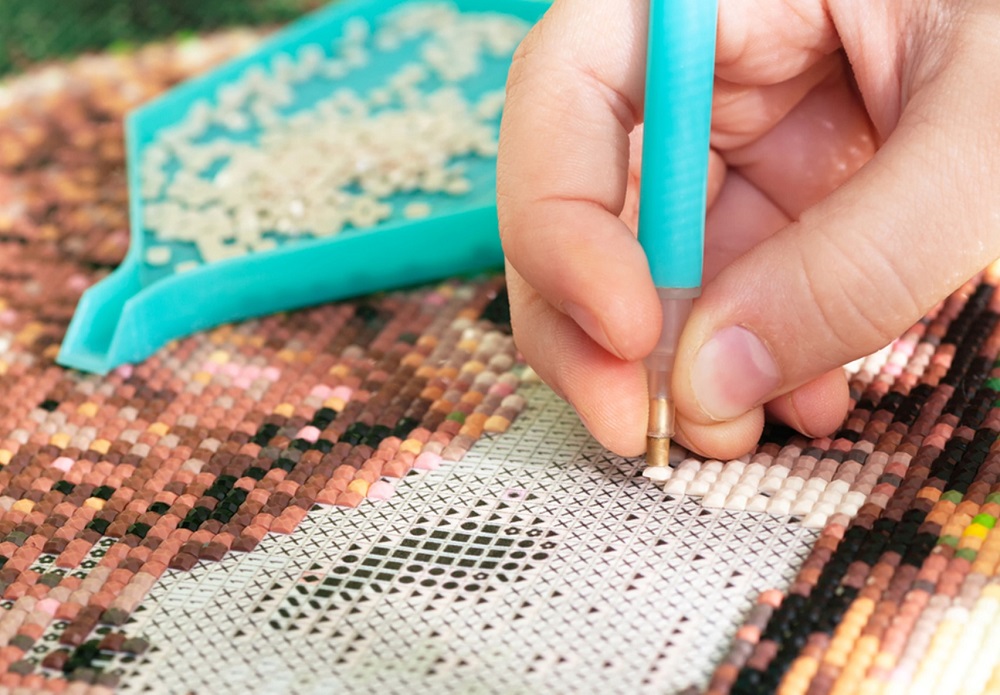
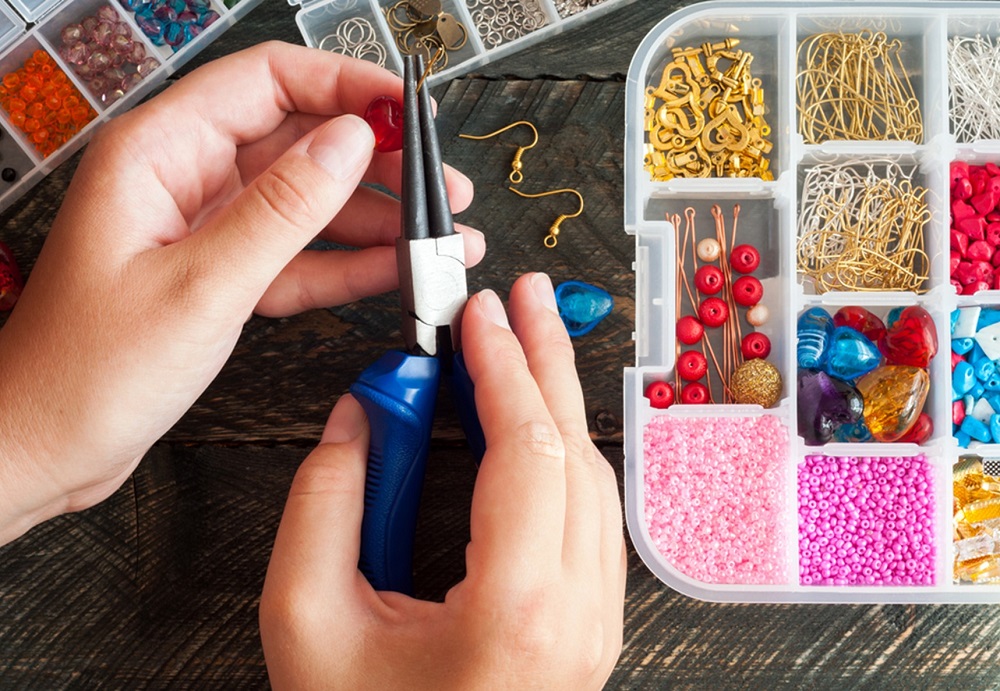
    Finding things to keep your kids busy on rainy days can be challenging, especially if you have kiddos in different age groups. While most of the activities your toddler loves aren’t so fun for teens and tweens, there are plenty of projects appropriate and enjoyable for kids of all ages. Lots of them are even fun for adults! Whether it’s working on a diamond painting as a family, making jewelry or tie-dyeing old t-shirts, here are a few crafts perfect for rainy days and all ages!

    Diamond Painting

    Diamond Painting

    Diamond painting is a relative newcomer to the crafting world, but it has quickly taken the industry by storm. The process is simple, but the results are amazing. Every diamond painting kit comes with a self-adhesive canvas that is preprinted, much like a paint-by-numbers canvas. Instead of numbers, though, each space has a symbol. Each symbol corresponds to a colored resin diamond. When the diamonds are placed in their corresponding spots, a shimmering mosaic image emerges.

    Diamond painting is a great project for all ages. It is easy to learn, and there are designs to suit any taste. From simple patterns well-suited to the youngest members of your family to complex designs that are more suitable for teens and adults, there are diamond painting kits for everyone.

    DIY Board Game

    Making a DIY board game is the perfect way to pass a rainy day. And the finished project will be perfect for passing future rainy days. What’s not to love? Encourage your kids to work together to put their own spin on a classic, like checkers, tic-tac-toe or even Monopoly. Alternatively, help them create a one-of-a-kind game. It does not need to be anything fancy. Give your kiddos some cardstock, construction paper, markers, glue and other basic craft supplies and they might just amaze you with what they come up with.

    Jewelry Making

    Jewelry Making

    Jewelry making is a good option for kids of all ages because it’s so versatile. For young kids, large plastic beads and string are great. Even dry pasta works in a pinch. Once they outgrow that type of jewelry making, they can move on to working with glass or stone beads and metal findings. Even if you have kids in different age groups, they can all work on making jewelry together using their respective supplies. This project gives older kids a chance to teach their younger siblings, too, and strengthen their bonds with them.

    I-Spy Bottles

    When you were a kid, you might have enjoyed searching for various objects in I-Spy books or engaging in a game of I-Spy while on a road trip with your parents and siblings. Share this timeless activity with your kids by making I-Spy bottles. In addition to being a lot of fun, these bottles are a great way to make use of those random little toys and game pieces that seem to always make their way in between the sofa cushions and under car seats.

    Start by filling up a plastic soda bottle most of the way with dry sand, rice or small beads. Then, drop in a few small toys and objects. Shake it all up so that most of the objects are hidden. Then, encourage your kids to roll the bottles around to try to spot different objects. Even older kids will enjoy the challenge of finding and identifying all of the hidden objects. You could even have each kid make their own bottle and then have their siblings try to identify everything inside. This project is super simple, and it’s easy to make it enjoyable for everyone in the family.

    Block Candy Dispenser

    If the kids in your family are into STEM, making a candy dispenser out of building blocks is a great rainy day activity. Put your young inventors and engineers to work on this project and they’ll have a blast using their toys to create something that is fully functional and dispenses tasty treats. Check out the full tutorial, including photos, here.

    Ice Tie-Dyed Shirts

    Ice Tie-Dyed Shirts

    Making tie-dyed shirts can be messy, so it’s often thought of as an outdoor project. There are, however, less-messy techniques that make it much easier to enjoy the project inside on a rainy day. With the help of ice, you and your kids can upcycle old shirts into one-of-a-kind masterpieces without leaving stains all over the house.

    For this project, you’ll need ice, a tie-dye kit, a t-shirt, a large container (like a baking dish or a dishpan) and a rack that fits over the container. Place the rack on top of the container. Then, wet the shirt completely and wring it out. Crumble it up and place it on top of the rack. Next, cover the shirt in ice. Use a generous amount, but be sure to arrange it so it will drip into the container as it melts. Open up the tie-dye kit and carefully sprinkle the dry pigment over the ice. Cover with plastic wrap or a large plastic bag to keep the shirt from drying out and let sit overnight.

    Finally, rinse the shirt with cool water until it runs clear. Wash and dry by itself (or with other freshly tie-dyed shirts) and your new creation is ready for wear!

    Closing Thoughts

    Don’t let the gloomier days of summer get your family down. Try one of the projects listed above to keep boredom at bay and make the most out of every summer day!

  • What Do I Need to Breastfeed My Baby?

    What Do I Need to Breastfeed My Baby?

    How do I know if I’m producing enough milk? How long should I breastfeed my baby? These are some of the questions every new mother has about breastfeeding and luckily, there are plenty of resources out there to help you get started. To make sure your breastfeeding experience goes as smoothly as possible, it’s important to find answers to these questions before you even give birth. Once you’ve prepared, follow these breastfeeding essentials and nursing tips from expert mothers to help you through each stage of your nursing journey with ease!.

    Getting Ready to Breastfeed

    While breastfeeding certainly comes with a learning curve, nursing itself is easy — if you know what you’re doing. Like any new mom, you’ll have questions about how to prepare for breastfeeding. You may be wondering whether or not your clothes will get in the way of feeding or whether it’s safe to breastfeed while on birth control pills. Luckily, there are answers to these common questions. A lactation consultant can help make your first time easier and more comfortable—and most insurance plans cover at least some lactation services. It might even be worthwhile to pay out-of-pocket for a consultation since breastfeeding helps newborns gain weight faster.

    For example, studies show that by six months old, babies who were exclusively breastfed gained six ounces more than that fed formula as their main source of nutrition during their first few weeks after birth. That might not sound like much until you consider that babies typically lose seven percent of their body weight in those first few days. They also tend to sleep longer between feedings. So that extra ounce could really make a difference over several days—especially if they end up losing weight due to sickness or other complications after they leave the hospital.

    Things You’ll Need

    Breastfeeding is a natural process, but it’s still helpful to have some tools on hand. You’ll need a place for your baby to nurse, such as your bed or a comfortable chair. Breastfeeding in public is generally accepted when you’re covered up so be sure to take a swaddle blanket with you for some privacy so that nursing isn’t a stressful situation. Many new moms will find it useful to invest in a nursing pillow and nipple cream for soreness during feedings. A breastfeeding schedule is also useful if you are trying to track how much milk your baby gets from each feeding and learn how often he should be eating.

    Here are other helpful items that some lactation consultants suggest: 

    • Lactation cookies
    • Lactation drink mix
    • Breast pump
    • Nursing heat pads to help relieve plugged ducts and also help with milk let-down during feedings.
    • These swaddle blankets for extra privacy whether at home or in public

    Tips for Successful Nursing

    The first few weeks of breastfeeding can be a bit of a learning curve. However, once you’ve mastered positioning and latch-on, it’s smooth sailing from there. If you’re ready to start nursing your baby but aren’t sure what tools you need for success, don’t worry. Here are some tips for successful nursing:

    • Positioning: Place baby with her back on your chest at an angle where both breasts are easily accessible, and where she won’t accidentally pull herself off with her arms or stretch too far forward with her neck. Putting pillows behind your back for support will also make it easier on your body if you’ll be nursing lying down on your side. Don’t be afraid to experiment with different positions until you find one that works well for you!
    • A good latch is important so that baby has a proper seal around your nipple. Cup both breasts with your hands while using one hand to support baby’s head. This maneuver helps ensure baby’s mouth is covering most of your breast rather than just biting at air.

    Nursing a baby requires that you prepare your body, so make sure you’re eating well, drinking lots of water, and preparing yourself mentally. Have fun with it! Keep an open mind and remember that breastfeeding is all about working together. If you follow these tips, your baby will be nursing just fine. Before long, she will be old enough to try solid foods and won’t need those extra calories anymore. Until then, enjoy yourself — and don’t forget the lactation consultant!

  • 4 Must-Haves for an LDS Family Night

    4 Must-Haves for an LDS Family Night

    Why should LDS families set aside time each week to teach their children? Because learning the gospel of Jesus Christ is vital to developing faith in him and in his church, and faith comes by hearing the word of God (Romans 10:17). What better way to do this than a designated family night? Here are 5 must-haves for your next family home evening:

    Something fun

    It’s important to note that while family night is traditionally based on teaching gospel lessons, it doesn’t have to be boring. In fact, it shouldn’t be! Instead of focusing on just reading the lessons, choose activities that appeal to everyone in your household. If you don’t already have some favorites planned out, here are a few suggestions:

    Have a small play to reenact the lesson from the scripture. Play a game of jeopardy or do trivia challenges. You can even make bingo boards to go along with the lesson plan. The idea is to make sure everyone has fun together as a family— while learning something at the same time!

    Something educational

    While the activities are really fun and sometimes the most memorable parts, that doesn’t mean your family nights can’t also be educational. Be sure to include opportunities to learn more about your faith and how it impacts your daily life. There are many things you can do with your family to make these special experiences educational, such as bearing testimony to them of what you’re teaching, inviting them to answer questions, and teaching your children about service. Even simple conversations can be educational opportunities if you’re willing to listen and learn from what everyone has to say. You don’t need to do anything formal; often just talking casually after dinner or spending time reading scriptures together is all it takes to create a foundation.

    Snack and treats

    Let’s be honest, there’s nothing that gets kids more excited about FHE than the treats. You can assign a child to be in charge of helping make the treat to get them involved or plan your own healthy snacks to keep them happy during the lesson. Try these healthy (but yummy) treats: fruit chunks with sweet cream or whipped cream, popcorn, chocolate dipped pretzels, Rice Krispie treats, yogurt mixed with granola and fruit pieces, etc. You can find lots of yummy ideas on Pinterest. If you have time, you can even make the snack theme be something from the lesson plan.

    Lesson props

    Family members enjoy having lesson props, especially when it involves crafts. For example, have them make t-shirts to wear while they’re studying their lessons. Keep in mind that your family might be different and you may need to get creative. You could even build a theme into your family home evening and have all of your propsl fit nicely with your theme. Maybe you’re lesson is based on Joseph Smith and you have everyone dress up as pioneers. Or maybe you’re reenacting Samuel the Lamanite with nerf guns. The possibilities are endless; just remember kids often don’t need anything overly complicated for it to be memorable. If you’re looking for a classic representation of your faith to display around the house one of these Christus statues can spark conversation and can make any lesson memorable.

    Family home evening is a wonderful time to strengthen family bonds and really begin to learn about our gospel. To ensure your family night is effective, here are five must-haves that will help you create a positive learning environment in your home: communication, fun activities, meaningful discussion topics, ways to focus on prayer, and ways to connect with other people of our faith. By having these essentials in place, your family can truly be taught about our gospel through family home evenings.