Category: Lifehacks

Category descriptions show here. You can change the description on each category from the WordPress administration panel.

  • Taking Care Of Yourself: 4 Things To Do Post-Partum

    Taking Care Of Yourself: 4 Things To Do Post-Partum

    Postpartum is one of the hardest and rewarding experiences that mothers go through. It’s a very unique experience and can be different for each mother. There are a few things that all mothers can do to help this healing phase go more smoothly, but also encourage the process of feeling like yourself again.

    Get a Massage

    Treatments are so important to making yourself feel taken care of during one of the most bodily traumatising things that a woman’s body can go through. While it can take up to 2 years for your body to fully recover, there are things you can do during this period to help your healing feel more comfortable, but also do things that are just for you.

    While early postpartum, this might not be for you, but within a couple of months, when you can pump and leave your partner or family to bottle feed for an hour or so, it’s the perfect opportunity to go or ask someone to come to you for a body massage. A much-needed reward for your body to get some care, lymphatic drainage and some much-needed relaxation.

    In the same breath, you could double this up and get the regular treatments that you weren’t able to while pregnant, such as Botox, dermal filler or microneedling in Cheshire by your chosen aesthetics practice.

    Get Ready

    Make a deal with your partner that an hour in the morning is their bonding time and your time to get ready. Getting ready really does set your day off right, but lounging in pyjamas, while also very needed from time to time, can sometimes make you feel worse throughout the day. Spend an hour having a hot shower, do your hair and put on a very small amount of makeup if you wish or if it makes you feel better.

    Influencer Nara Smith say’s even with 3 kids she needs to do this ritual every day, otherwise it feeds into the feeling crappy all day. She went on to say that just the smallest little change, like into day clothes, can transform her day.

    Music As An Emotional Regulator

    If you are anything like me, being in a quiet home can make me feel tired, bored and encourage bad habits such as scrolling, and as a new mother, you don’t have the time to scroll; it does, however, make the hard bits more difficult to process or work through.

    Music is a proven method to use for both yourself and the baby to help regulate emotions and remain calm throughout the difficult emotional parts. Having music that either fills the uncomfortable silence, makes you feel happy, or even something that helps you have a deep cry and let everything out.

    Regulating emotions doesn’t always mean suppressing them or, more so, soothing them; they are also supposed to help you feel deeply and encourage you to process them fully before moving on. This means you aren’t taking unnecessary pent-up anger out on your partner when they don’t deserve it.

    Brain Dump

    Getting everything out in the open, while a lot of people don’t like to be negative and ‘woah is me’, but you need to do the opposite, so you aren’t suppressing your feelings, don’t hold it all in. This doesn’t have to be too anyone, but can be a private moment you share with yourself that allows you to rant and get out all of your frustrations.

    I think you need to make a promise with yourself beforehand that once it’s left the room, it doesn’t follow you into spaces with your little one or partner.

  • How to Remove Wallpaper Without Damaging Walls

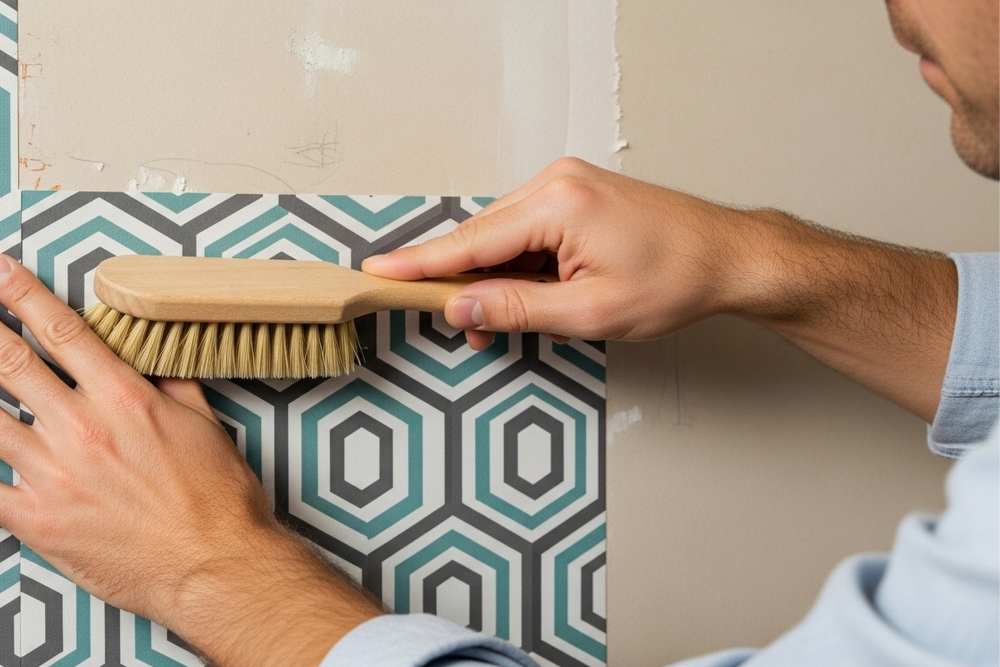
    How to Remove Wallpaper Without Damaging Walls

    Remove Wallpaper Without Damaging Walls

    Removing old wallpaper can sometimes seem a daunting project. Worries about damaging the surface beneath often hold people back, yet a careful approach changes everything.

    With sensible planning and a touch of patience, what once felt overwhelming becomes manageable and even rewarding.

    Assessing the Wall Covering Before Starting

    Every successful wallpaper removal begins with a thoughtful examination of the surface. Not all coverings are created alike, and knowing whether you face vinyl, paper, or fabric will influence every step ahead.

    Vinyl surfaces tend to appear glossy and resist water, while paper feels more textured and usually absorbs moisture easily. Occasionally, a woven fabric brings its own distinct feel beneath the fingertips.

    Identifying the material isn’t just about curiosity. The right method depends on understanding what lies ahead.

    If a corner can be lifted gently, observe how it responds to a drop of water. Vinyl will often bead, while paper or textile coverings will soften and release more readily.

    This quiet moment of assessment prevents unnecessary scratches or damage, guiding you towards the right tools and technique for your particular wall.

    In older homes, layers of wallpaper might have been applied on top of one another, sometimes masking underlying issues such as minor cracks or previous paintwork.

    Take note of any unevenness or bubbling, as these features can signal hidden surprises.

    Consulting a local decorator or a trusted neighbour who has tackled similar projects in the area can yield valuable insights about typical wall finishes in your building.

    Moreover, being aware of the age and history of the wall surface helps you adjust your removal plan accordingly, as some older plasterwork benefits from extra caution and moisture control.

    Gathering and Preparing Essential Tools

    Preparation makes all the difference when tackling wallpaper removal.

    Before any peeling begins, assemble everything needed: a sturdy plastic scraper, a soft sponge, a bucket of warm water, and a wallpaper steamer for difficult areas.

    These tools are gentle yet effective, with plastic blades helping to avoid scratches while soft sponges soak adhesive without fuss.

    Next, ensure the room is ready for the job ahead. Move furniture away from walls, and cover floors with a sheet to guard against splashes or falling fragments.

    Remove light switch covers to reach awkward edges and always wear gloves and protective goggles if using cleaning solutions. This careful preparation turns a stressful task into a more peaceful, methodical process.

    If your home is in a block of flats or shares walls with others, it can be wise to let neighbours know when you’re steaming or scraping, as the sound can travel easily through adjoining walls.

    For those with pets or young children, set aside a safe play area elsewhere, keeping hazards away from inquisitive hands and paws. At the same time, consider using painter’s tape to protect adjacent painted surfaces or woodwork.

    For stubborn patches, a scoring tool that gently perforates the surface can help moisture penetrate deeply, making adhesive removal much easier.

    Having a small vacuum cleaner or dustpan nearby also saves time cleaning up debris as you work, ensuring your workspace remains tidy.

    Testing and Applying the Removal Method

    A patient start pays off. Before tackling the whole room, test a small, hidden area.

    Lightly moisten a corner with a sponge and wait for a moment. If the paper lifts without resistance and leaves the wall unharmed, continue with confidence.

    If not, pause and consider adjusting your approach. Sometimes, a vinegar and water solution, or a store-bought remover, can effectively remove stubborn adhesives where plain water fails. At times, a steamer will loosen even the most persistent adhesive.

    Work in manageable sections, always allowing moisture to do its work. Pull the covering gently sideways, never straight down, to avoid tearing it and minimise strain on the wall.

    If resistance remains, add more water or remover and try again after a short wait. Throughout the process, moving steadily and patiently is the surest route to success.

    If your room has poor ventilation, a portable fan can help speed up the drying process after each section. Meanwhile, placing a few towels along skirting boards will catch any drips, protecting woodwork from unnecessary exposure to moisture.

    When working near electrical outlets, always switch off the power at the fuse box, then check carefully that outlets are dry before turning anything back on.

    If you discover a previously patched area that starts to flake or crumble, stop and let it dry fully before continuing, as saturated plaster is more likely to become damaged during removal.

    Removing Wallpaper Safely and Dealing with Adhesive

    As each strip comes away, check for sticky patches of glue left behind. Warm, soapy water and a gentle sponge usually clear residue, though a dedicated adhesive remover can be useful for stubborn spots.

    Open windows to keep air circulating, especially when using stronger products. Always favour plastic scrapers over metal, as they protect the wall while loosening debris.

    If any areas prove difficult, a little extra patience is required. Taking frequent breaks prevents tired hands from causing slips or accidental scratches. In cases where glue lingers in awkward spots, revisit them after the main removal, rather than risk harm through haste.

    Thorough removal of both paper and glue leaves the surface clean, ready for whatever comes next.

    It’s worth noting that different adhesives can react differently to removal techniques. Some older wallpapers were applied using animal-based glues, which soften quickly with warm water, while modern adhesives may need stronger solutions.

    If you suspect mould or mildew underneath the paper, take the opportunity to treat the wall with a mild anti-fungal wash before proceeding further.

    Removing wallpaper is also a perfect time to check for damp or insulation issues that might not have been visible before.

    Cleaning and Restoring Walls After Removal

    With the wallpaper gone, attention shifts to cleaning and repair.

    Use a fresh sponge and warm water to wipe away lingering dust and small traces of adhesive. Avoid pressing too hard, as gentle cleaning is kinder to delicate plaster. In addition, allow plenty of time for the wall to dry naturally, or use a towel to speed up the process.

    Look closely for small dents or holes, as removing old coverings can sometimes reveal hidden flaws. A little filler smoothed over these areas, followed by gentle sanding when dry, restores an even surface.

    Once the wall is clean and repaired, it stands ready for painting or a new design. If the project begins to feel overwhelming, enlisting apartment cleaning professionals can offer valuable expertise, bringing worn surfaces back to a pristine state with ease.

    If repainting is on your mind, consider applying a primer before your chosen colour. This provides a smooth base and helps prevent stains from old adhesive seeping through.

    For those intending to hang new wallpaper, make sure the wall is entirely free from dust and grease, as even small residues can interfere with adhesion.

    In the days after, keep the room well-ventilated to allow any remaining moisture to escape.

    Should you discover unexpected marks or stains after the first clean, repeating the process with a slightly stronger solution will often resolve the issue. Taking these final steps ensures your refreshed room is a pleasure to use and admire.

    Conclusion

    A careful approach makes wallpaper removal safe and satisfying.

    By assessing the surface, preparing well, and working with patience, it’s possible to keep walls in excellent condition. Each thoughtful step paves the way for a flawless result.

  • Cues It Might Be Time to Switch Baby Formula

    Cues It Might Be Time to Switch Baby Formula

    When it comes to baby formula, one size does not fit all—every baby is different. And while formulas have the nutrition to support your little one’s growth and development, some are specially designed for specific concerns, like excessive fussiness, spit-up, allergies, and other issues. Is it time to ask your pediatrician about switching to a more optimal formula fit? Let’s explore.

    When should you switch baby formulas?

    Most formula-fed babies start with an everyday milk-based formula. However, if you notice your baby is experiencing one or more of the following issues, check with your pediatrician. It’s possible that your little one may not be tolerating their current formula.

    Excessive spit-up

    Whether you call it spit-up or reflux, the experience is the same—a teaspoon or two of milk or formula will dribble out your baby’s mouth after feeding, often accompanied by a burp. The good news is that spit-up is usually not harmful, and most babies don’t even mind it. Plus, it’s expected—typical spit-up occurs in half of babies.

    However, if your baby is spitting up after every meal or seems uncomfortable, talk to your doctor. They can rule out complications or see if something else is going on. Your doctor may recommend switching to a formula designed to help ease spit-up issues. These formula types usually have added rice and starch for a thicker consistency, which can help the formula stay down.

    Exceptionally fussy

    Almost all babies experience moments of fussiness. After all, crying is how babies communicate if they are hungry, sick, or need a diaper change. Excessive fussiness, though, could point to a food sensitivity that’s causing uncomfortable gas.

    Some babies may be sensitive to the lactose in everyday nutrition milk-based formulas. To help identify if the formula is the fussiness culprit, keep a diary of when your baby cries and how long it has been since the last feeding. If you think there’s a formula-fussiness correlation, talk to your pediatrician, who may suggest transitioning from your current formula to one with easier-to-digest proteins.

    Allergy indications

    Cow’s milk protein allergy (CMPA) is a common food allergy among infants. It’s when the immune system overreacts to one or more proteins found in cow’s milk. Since most formulas are cow’s milk-based, a baby with CMPA can experience a wide range of issues, including:

    • Diarrhea or constipation
    • Excessive crying/colic
    • Frequent spit-up
    • Vomiting
    • Gas
    • Skin rashes
    • Respiratory issues such as wheezing

    CMPA is managed by eliminating cow’s milk protein from your baby’s diet because even a tiny amount could potentially trigger an allergic reaction. If you suspect your little one has CMPA, talk to your doctor. If they confirm your baby has CMPA, they’ll probably advise switching to a hypoallergenic infant formula.

    Severe constipation

    Little ones sometimes struggle with pooping, and that can lead to occasional constipation. Some indicators that your baby may be constipated include:

    • Reduced bowel movement frequency
    • Showing discomfort during bowel movements
    • Arching their back or squeezing their buttocks while attempting to poop
    • Swollen and tender abdomen
    • Hard, small, pellet-like stool or occasional liquid stool in the diaper
    • Unusually large, wide poop

    While constipation is not uncommon in babies, you’ll want to keep an eye out for constipation accompanied by other issues, such as:

    • Excessive fussiness
    • Spit-up
    • Dramatically fewer bowel movements

    Constipation can sometimes be an indication of a cow’s milk protein allergy, which means you might need to switch to a hypoallergenic formula. If your little one doesn’t have CMPA, a formula with easier to digest proteins and prebiotics might help make their poops softer and easier to pass. A visit with your doctor can help you determine the next steps.

    Bloody stool

    Healthy baby poop can take on a variety of colors and hues, from yellow to brown to even green. However, red stools are not typical and might indicate cow’s milk protein allergy or another health concern. Consult your pediatrician. If it turns out your baby has CMPA, your doctor will likely recommend switching to a hypoallergenic formula.

    Talk to your pediatrician before switching formulas

    With so many infant formulas available, knowing which is the right one for your baby can be a bit overwhelming. It can be even more confusing if your little one shows indications they aren’t tolerating their current formula. Your pediatrician is your best resource for identifying issues that may necessitate a switch and guiding you and your baby through the transition process. So, trust your instincts and lean on your pediatrician’s expertise as you work together to ensure your baby gets optimal nourishment.

  • 5 Reasons Why You Should Care About the Quality of Your Baby Crib Sheets

    5 Reasons Why You Should Care About the Quality of Your Baby Crib Sheets

    When it comes to your baby’s comfort and safety, baby crib sheets are an important factor to consider. High-quality baby crib sheets will provide a safe and comfortable environment for your little one to sleep in and help protect against allergens, germs, and other potential hazards. In this blog post, we’ll be exploring five key reasons you should care about the quality of your baby’s crib sheets. Keep reading to learn more!

    The fabric is important for your baby’s skin

    When selecting crib sheets for your baby, the type of fabric you choose can have a big impact on the comfort and safety of your little one. Natural fabrics like cotton and bamboo are highly breathable and can help regulate your baby’s temperature, keeping them cool in the summer and warm in the winter. On the other hand, synthetic materials like polyester are not as breathable, meaning they can trap heat and cause your baby to become uncomfortable.

    It is also important to pay attention to how the fabric feels against your baby’s skin. A soft, smooth texture is much more comfortable than a rough material that can irritate or scratch your baby’s delicate skin. If you are concerned about allergens, choose an organic cotton fabric certified free of toxins and other irritants. Whatever fabric you choose, make sure it is made with quality materials and properly cared for to ensure long-term comfort and safety for your baby.

    The fabric affects the temperature of your baby’s sleep

    The fabric is key when it comes to the quality of your baby’s crib sheets. Not only does it need to be soft and comfortable, but it should also be breathable so your baby can sleep at an optimal temperature. The breathability of fabric helps to regulate the temperature of your baby’s sleep environment, keeping them cooler in warmer and colder climates. This can help reduce the risk of your baby becoming too hot or too cold during sleep, which can be dangerous. Additionally, certain fabrics are better at wicking away moisture, which can help to keep your baby dry and comfortable all night long. Investing in quality sheets that are specifically designed for babies will help ensure that your baby is sleeping at a comfortable temperature.

    The fabric can help your baby sleep through the night

    The fabric quality used in your baby’s crib sheets can hugely impact how well your baby can sleep through the night. High-quality fabrics, such as cotton or muslin, allow air to flow through easily, which helps regulate body temperature and helps your baby stay comfortable all night. Not only that, but softer materials help create a sense of security and safety for your baby, helping them drift off to sleep faster and stay asleep for longer. If you’re looking for a way to ensure your baby gets the best possible rest, investing in high-quality crib sheets can be an easy way to help them get there.

    The fabric can help reduce the risk of SIDS

    Sudden Infant Death Syndrome (SIDS) is a tragic and frightening reality for new parents, but fortunately, you can take measures to help reduce the risk. One important way to do this is by choosing quality crib sheets made of breathable fabrics. In addition to regulating temperature, breathable fabrics allow air to pass through more efficiently, which can help reduce the risk of SIDS. Furthermore, these sheets can provide comfort and coziness to your baby while they sleep, helping them get a peaceful night’s rest. Choosing the right fabric for your baby’s crib sheets is one simple step that you can take to reduce the risk of SIDS and ensure that your little one gets a safe and comfortable night’s sleep.

    The fabric can be a keepsake for your baby

    As your baby grows, the memories of their infancy will quickly fade. A tangible reminder of their early days is a wonderful way to honor this special time in their lives. Crib sheets are a perfect way to do just that. Crib sheets are comfortable and cozy and can also be kept as a memento of your baby’s childhood. Have a special message embroidered onto the sheet, or choose a fabric with a pattern or color scheme that is meaningful to your family. When your baby outgrows the crib, you’ll have a special piece of fabric to keep forever. It’s an easy way to ensure that you never forget the precious moments spent with your little one as they grow.

    When it comes to choosing baby crib sheets, quality matters. Quality fabric is important for the comfort and safety of your baby and can help ensure your baby gets a good night’s sleep. Quality crib sheets are also a great way to ensure that your baby has something to remember about their childhood. Investing in quality baby crib sheets is a decision that is well worth making and can help give your baby the best start in life.

  • When To Call A Plumber For Blocked Drains?

    Most of the homeowners know how to tackle the fundamental drainage blockage issues. Due to this, small issues can be handled by homeowners.  But there are problems that cannot be solved with the home remedies. In such situations it is necessary to call an expert. Some of the homeowners make use of over-the-counter harsh drain cleaners. Using such cleaners can treat the problem temporarily, but over time they can damage your plumbing.  At times blocked drains can lead to dreadful situations. During such times, it is good to depend on a professional plumber for their services.

    Signs when you need to call a plumber for treating blocked drains:

    When the home tools fail to work

    A majority of the homeowners have their toolboxes or solutions at home. There may be a few of them who are not techno-savvy and do not have such toolboxes. Also, there a some of the homeowners, even if they have toolboxes do not like to put their hand into cleaning blockages; rather they will call the nearest plumber to get the unclogging done. If you have a toolbox, a plunger can help in cleaning the minor blockage. However, if there is big unclogging, the home toolbox kit will not work. You will be required to call a professional plumber, as they have the professional tools and equipment to unclog the drains.

    When the blockage smells

    Smells or odor in the basins or sinks of kitchen and toilet are sign of accumulation of greasy dirts, hair and ther waste. They are slowly decaying causing blockages resisting flow of waste water causing a bad smell. When the smell is less home remedies will work but on increasing it is essential to call a plumber to clean the pipe line and trap. Not only for blockages but remove the bad odor as well as avoid any causing of diseases.

    When water flooding takes place

    Flooding is one of the common signs of blocked drains. If the water starts overflowing, minor flooding within the bathroom in no time can lead to malfunctioning of the main drainage system. It can result in broken drains and contaminated water. To avoid getting into the worst situation, calling a plumber when there is minor flooding is always a good idea.

    When the blockage is at many places

    Have you noticed blockage at many places in your house? Do not wait, call the plumber immediately! It is a sign that there is some basic issue with your drainage system. A professional plumber will check your drainage system and repair blocked drains using advanced tools and equipment.

    When you witness gurgling sounds

    Whenever you hear any kind of strange gurgling noise, it is a sign that there is some problem. Over time clogs gather air blocks or which leads to a gurgling sound. There are chances that your drainage system might have collected clogging agents and is passing gas to your pipes. Such a situation can be dangerous to handle. To ensure safety, it is recommended to call a professional plumber to solve the problem.

    When there is consistent reoccurrence of clogs

    A few common causes of blocked drains are a build-up of soap, dirt, food, mineral, and hair in the drains. These things normally lead to blockage. Even though you are on regular basis cleaning the drains or using commercial drain cleaners to clean the drains, there are chances that it is not cleaned entirely. At times, you might notice that clogging takes place every month, even though you put your best efforts. It is a sign that you need to call a professional and experienced plumber to tackle this problem effectively.

    These are some of the signs when you should not delay and call a good plumber to treat blocked drains. Make sure you search for a local, reliable, and skilled plumber!

  • Twins: A Guide for First-Time Parents

    Twins: A Guide for First-Time Parents

    Becoming a parent is one of the most rewarding experiences you can go through. Learning to juggle everything that comes with caring for a child while maintaining some sense of normalcy in your life is one of the greatest difficulties you may face as a new parent. While many challenges come with being a parent, it is all worth it in the end.

    If you’re a parent of twins, you’ll face double the challenges — the feedings, the diapers, the newborn clothing — but that also means double the love. Studies suggest that parents of twins often form a unique bond with their children that is different from any other parent-child relationship. It may seem daunting at first, but first-time parents of twins learn to adapt and face the challenges one day at a time. Read on for our guide to learning essential information for first-time parents of twins.

    What To Expect in the First Year?

    As a first-time parent of twins, you can expect the first year to be extremely busy: feeding your twins every two to three hours and changing their diapers frequently — at least eight times a day, which will probably go through about 10 diapers each per day.

    In addition to feedings and diaper changes, you will also need to spend time bonding with your twins. This bond is vital for their development and your relationship with them. It is also important to keep up with their milestones, such as when they start to crawl or walk. Be sure to take plenty of pictures and videos to document these milestones, as they will grow up before you know it!

    Feeding Twins

    One of the most important and challenging aspects of taking care of twins is feeding them. You must ensure they get enough food and eat on a schedule. Your doctor will help you make sure they’re on track and can provide solutions if it turns out your baby needs more food than you expect.

    It is also important to burp your twins after feedings, as this will help to prevent them from spitting up. You may want to invest in a double-sided bib to make things easier.

    Diapering Twins

    You can do a few things to make diapering twins easier: Invest in a good diaper bag with enough room for your supplies. You will also need to stock up on diapers.

    Setting up a changing station in your home is also a good idea. This can be a dedicated changing table or simply a pad that you place on the floor. You will also need to have your diapering supplies, such as wipes, diaper cream, and extra clothes that are within reach.

    Clothing Twins

    When it comes to baby boy clothes and baby girl clothes, you want to balance cost and quality. Make sure the clothes are comfortable and easy to put on but also affordable, as you will need more clothes than the one-baby parent. Look for clothes that can be easily mixed and matched, such as bodysuits, leggings, and shirts.

    You should also have a few different sizes on hand as babies grow quickly. It is a good idea to buy clothes that are a bit larger than your twins currently are to get more use out of them.

    Sleeping Arrangements for Twins

    When it comes to sleeping arrangements for twins, you have a few different options. You can choose to have them share a crib when they are very little or have them sleep in separate cribs or bassinets.

    It is crucial to remember that twins often wake each other up when sharing space. If you decide to have them share a crib, you may want to consider using white noise to help them sleep.

    As they get older, you can have them share a room or have their own. It is vital to make sure they have a comfortable place to sleep and that their bedroom is a safe space.

    Transporting Twins

    It’s a good idea to get a new car seat each time you have a baby to make sure the car seat is up to the latest safety standards. Car seats make transporting twins easier.

    When it comes to choosing a stroller, there are a number of double stroller options. It really comes down to your preference. If maneuverability is important, you can choose a model where one seat is behind and slightly higher than the other. You can also select a model where the seats are side-by-side, giving the twins an equal view of the passing surroundings. Each has advantages and disadvantages, so be sure to read a few reviews.

    You will also need to ensure that you have enough room in your car for food, supplies and the stroller. If you are planning on taking a trip, be sure to pack plenty of snacks, extra diapers and changes of clothes.

    The Importance of Bonding with Your Twins

    Bonding with your twins is important for their development and your relationship with them. This is more difficult when you have to split your time between two babies. Be sure to spend plenty of time with each one separately, holding them, talking to them and playing with them. Always try to respond to their cues, such as when they cry or reach for you.

    Conclusion

    Being a parent of twins can be challenging, but it is also a wonderful experience. With a little planning and preparation, you can be sure that you are ready for anything. Congratulations on your new arrivals!

  • 5 College Life Power-Ups

    5 College Life Power-Ups

    College life isn’t always conducive to cleaning. Whether you’re living in a dorm, apartment or house, it’s hard to keep up with things like laundry and dusting when your schedule is jam-packed with classes, extracurriculars and a bustling social life. Many students put household chores at the bottom of their to-do lists for this reason. A tidy home is aesthetically pleasing, but that’s not the only reason you should make cleaning a priority. Clean, clutter-free rooms are also less distracting, which makes studying easier. Plus, maintaining a clean space can ease stress and anxiety. Even the act of cleaning can boost your mood. Clearly, there are a lot of great reasons to tidy up.

    The excitement of a new school year can provide the boost you need to keep your space clean in the first few weeks of classes. But as that motivation wears off and you settle into the semester, you might find empty pizza boxes and dirty laundry piling up more and more. Before you find yourself buried in clutter, try these college life power-ups!

    1. Stay on Top of Your Laundry

    Laundry starts piling up fast. If you don’t tend to it quickly, it doesn’t take long for it to become overwhelming — especially if you need to use communal laundry facilities. Decide on a day to wash all of your dirty clothes, towels and sheets and stick to the schedule. You can even use laundry detergent sheets (more on that next!) to make the process easier. Developing this routine means you won’t have overflowing hampers. Instead, you’ll have a closet or dresser full of fresh clothes along with clean sheets and towels for the week.

    So, what are laundry detergent sheets? They’re a simple, environmentally friendly alternative to traditional liquid and powdered detergent. These eco-friendly laundry products are completely dry and dissolve almost instantly in cold or hot water. They are also completely plastic-free. They are packed in biodegradable packaging, and you only need half of a sheet for regular loads. Plus, each package is lightweight and compact, so they’re much easier to store and carry to the laundry room than huge plastic bottles or boxes of powdered detergent. In other words, switching to these sheets makes staying on top of your laundry easier and lessens your environmental impact.

    2. Keep All of the Essentials on Hand

    It’s hard to maintain a clean space when you don’t have any cleaning products. Whether you’re a freshman living away from home for the first time or have been in school for a few years and still don’t know how to keep things clean, purchasing the right cleaning products ensures you’ll have what you need to get the job done. Keep these essentials on hand:

    • Small vacuum
    • Sponges
    • Disinfectant wipes
    • Air freshener
    • Multi-purpose spray cleaner
    • Hard floor cleaner (Swiffer has several options.)
    • Toilet bowl cleaner
    • Glass cleaner
    • Toilet brush

    If you share your home with pets, keeping an enzyme cleaner on hand is smart, as well. We also recommend stocking up on reusable paper towels. They’re better for the environment than disposable ones and they’re more enjoyable to use since they don’t fall apart.

    When shopping for supplies, choose the ones that interest you most. You’re more likely to use that vacuum cleaner if it’s your favorite color and spray cleaners are more fun to use when they smell good. There are a lot of cute cleaning supplies that can make chore day a lot less boring.

    3. Wash Your Dishes Daily

    Whether they’re from takeout or a home-cooked meal, dirty dishes are gross. No one particularly enjoys washing them, but the longer you wait, the more difficult dishes become to clean. Plus, leaving food-encrusted plates, bowls and glasses piled up in the sink or on the counter is unsanitary and serves as an invitation for insects like ants and fruit flies. It’s a habit that could irritate your roommate (if you have one), too. And much like laundry, dirty dishes pile up quickly. Washing them regularly prevents them from becoming an overwhelming chore.

    Do your dishes every day — ideally, immediately after finishing a meal. If you can’t wash them after every meal, at least give them a good rinse instead of leaving them caked in food until later. Put them away as soon as they’re clean and dry so your dishrack isn’t completely full the next time you need to do dishes.

    Deal with empty takeout containers promptly, too. There’s no reason to have empty pizza boxes and soda cans scattered throughout your apartment. You should also clear random takeout containers out of your fridge regularly.

    4. Make Cleaning Fun

    Cleaning may never be your favorite activity, but it doesn’t have to be miserable. Instead of dreading your daily and weekly chores, make them fun! Listening to music, an audiobook or a podcast is one of the easiest ways to make the experience more enjoyable. When you’re focused on listening to something you enjoy, you’re less likely to think about how much you dislike cleaning. You could also turn your chores into a cleaning routine, invite friends over to help or keep you company, make cleaning a game or catch up on phone calls while you work.

    5. Treat Yourself When You Finish

    Knowing you have something to look forward to after a day of cleaning makes it a lot easier to get things done. Treat yourself to something from your Amazon wishlist, enjoy a drink with friends, order takeout from your favorite restaurant or just relax as a reward for tidying up.

    Conclusion

    College life is hectic, and cleaning is probably one of the last things on your mind. Making it a priority is important, though, as doing so prevents messes from getting out of control. Cleaning also offers mental health benefits and can help you stay on top of your studies. Try the suggestions above to level up your cleaning routine!

  • How To Choose Play Equipment For The Whole Family

    How To Choose Play Equipment For The Whole Family

    You may think that play equipment choices only include the brightly coloured plastic cheap looking (despite the cost not being so cheap generally). Still, you may be surprised to learn that a great range of natural material play equipment is sturdy enough for adults to use too.

    If you are going to buy play equipment, why not consider a more natural look for your outdoor space where the whole family can benefit? Not only could it last much longer, but it could be more aesthetically appealing in your garden too.

    The benefits of natural materials for outdoor gym equipment

    Quality wooden and stainless steel outdoor gym and play equipment is incredibly sturdy and hardwearing and is perfect for families to have for many generations. With that in mind, you can transform your garden or open space to have play equipment that the whole family can use. Choosing natural wood will mean it can be used all year round, it will last longer than plastic as the sun doesn’t do the same damage to wood as it does the plastic children’s equipment, and it will look and feel natural even on the hotter days. Natural woods such as oak and Robinia look great too and are a far more realistic view from a living room window, so your garden will not feel overrun by bright artificial plastics.

    Sensory and Sustainable

    Children can learn the feel of natural wood when playing outside. Wood and metals offer a greater sensory experience. Far too often, overused plastic is the main focus of children’s play, so having the opportunity, whether in your own garden or by a family trip to the park, is great for children to learn about the benefits of sustainable and natural materials. Choosing natural resources is possible through suppliers such as PlayEquip, who can provide professional advice, individual outdoor play and gym equipment and bespoke solutions for your home garden or local open space.

    How to choose equipment for all ages

    Spending time outside is essential for both adults and children to help look after overall fitness and health and improve mental wellbeing, so why not have fun and play together. With the right outdoor play equipment families can take traditional bonding time outdoors. Choosing sturdier equipment means adults can join in with the kids having fun and getting fitter while they do so.

    Exercising as a family is a great way to set good habits, encourage those less able and build on what each person can do. Often exercise is one of the first things to be forfeited if time is tight, and visits to the gym can get in the way of everyday family life, so choose play equipment that offers options for the whole family.

    Examples could include

    • Outdoor pull-up bars
    • Monkey bars
    • Climbing walls
    • Weave bars
    • Rope climbs
    • Balance beams and wobble boards
    • Trampolines

    Exercise targets to reach

    Consider family play equipment that enables you as a family to exercise using the three key exercise focuses

    • Aerobic – raising your heart rate for a prolonged period. Such as jumping on a trampoline. They can be sunk into the ground, making them safer for all ages.
    • Strengthening – pulling up on monkey bars, pull-up bars and climbing walls to improve arm, leg and core body, spine and abdomen strength
    • Flexibility – balance boards, wobble boards, and everything else we have already mentioned will help build body flexibility for all ages.

    As we age, we should keep on top of regular daily exercise and spending time outside exercising is good for our health too, so using family-friendly outdoor play equipment with or without the kids will improve overall health and help in everyday life chores too.

    Flexible solutions to suit your space

    If you have a small garden, don’t have room for an indoor gym or don’t like or want plastic only safe for small children in your garden or open space, then natural wood and metal choices are the answer. Whether you buy a bespoke set-up or individual pieces, there is a wealth of play and outdoor gym equipment that the whole family can use, and it will look far more natural and enable you to connect with nature.

  • How to Choose Your Cosplay Character

    How to Choose Your Cosplay Character

    One of the finest components of crafting is the glorious opportunity to detach from the day-to-day, the tried-and-true, the mundane little ruts we all tend to fall into from time to time. We crafters escape into our art and find sweet reprieve from the boring ol’ workaday.

    Every member of the crafting cohort knows this sweet feeling, this little bit of departure we sink into each time we bring out our cutting mat and get to work. But some crafters REALLY know how to get away. Indeed, we’re talking about crafters who sink into the world of cosplay. These crafters not only generate that little getaway for the mind when they craft—they use their crafting talents to create costumes that they don for a serious dose of exodus from the day-to-day.

    Today, the goal is to encourage more crafters to venture into the world of cosplay by thinking about what characters may help them embody that little something that speaks to their inner explorer—of course, we’ll be encouraging our crafting compatriots to take the crafter’s route into the cosplay universe by making their own costumes.

    So let’s consider how to go about selecting your cosplay character. Because once that decision is made, you simply won’t be able to stop crafting creations for your alter-ego. Without further ado, let’s get into it.

    Accentuate a Trait You Love About Yourself

    What do you love most about yourself? No need for modesty here. Are you cunning, strong, fast—are you a little bit sexy? It’s okay to say yes to any of these; you aren’t broadcasting these answers online like some egoistic jerk.

    Find a character that embodies these qualities. You value your physical strength? If that’s the case, maybe you need to round up your cosplay tools and craft your own Hulk costume. Or maybe you want to pair and sex appeal—in that case, crafting ladies, maybe Wonder Woman is your move.

    The point here is to use your cosplay character as an extension of something you love about yourself.

    Or Consider Traits You Aspire To

    Perhaps you feel like you’re sometimes too submissive. Maybe you feel a little out of shape and are looking to beef up in the gym. Or maybe you’ve been dealt some real blows in life—things have come along and sent you on a path you didn’t want to go down.

    If the previous paragraph speaks to you, find that cosplay character that appeals to your inner-desire to improve your station, your lot in life. There are endless characters in the cosplay realm whose origin stories are all about overcoming adversity, characters who turned pockmarks into beauty marks. For a classic example, how about Superman—that poor fella was orphaned as a baby, but things kind of worked out for him in the end, didn’t they?

    Find a cosplay character that helps you slip into the person you’re on the path toward becoming.

    Have Realistic Costume Goals

    Now for a dose of reality: You have to keep in mind that whatever character you choose to embody—well, you need to make that costume. That means time (perhaps a lot of it), and money (perhaps a lot of that, too). Of course, there are plenty of cosplay characters the expert crafter can put together in now time, with little more than a bit of elbow grease and the proper craft knife.

    But there are plenty of cosplay costumes that are borderline impossible to put together (of course, truly elite crafters may consider these costumes an irresistible challenge).

    Know your skillset. Know your budget. Cosplay is all about escapism, but when it comes to this aspect of cosplay, you need to get practical for a second.

    Connect and Explore With Other Cosplayers

    Crafting can be a relatively solo pursuit. We sink into work in our studios and travel into the innermost realm of our creative self. But when you’re crafting for cosplay, that effort will ultimately unite you with a seemingly boundless community of like-minded souls.

    For this component of cosplay creation, we are encouraging you to connect with fellow cosplayers on the front end. That connection can potentially inspire your costume choice. Perhaps you’ll connect with players who are adhering to a theme for an upcoming cosplay event; if they have specific character needs, you can fill the void and use the group as your cosplay creation muse.

    Because when it comes right down to it, we cosplay to be among others. Cosplay is all about a creative expansion that helps players unite with folks who will likely remain friends even after the costumes come off.

    But when those costumes are removed, there’s always another event on the horizon, which means there’s endless opportunity for cosplay crafting.

  • Quick Changes You Can Make To Prevent Back Pain

    Quick Changes You Can Make To Prevent Back Pain

    If you’ve ever relieved back pain by sticking a cushion behind your back, you’ll know how small changes can make a big difference to back pain. But are there any quick ways to prevent back pain in the first place?

    The answer depends on the nature of your back pain. Occasional back pain is symptomatic of aggravating an old injury or sleeping funny, while chronic back pain is usually a symptom of something more serious, like a medical condition.

    The good news is most back pain can be prevented and alleviated relatively quickly. Here are some quick changes you can make today:

    Sleep on a comfortable mattress

    Pocket-Gel-Mattress

    Pictured: Sleepeezee Jessica 1800 Pocket Gel Mattress, Available from Bedstar The Online Bed Superstore.

    If you wake up with back pain, your mattress could be blamed. The easiest way to choose a mattress is based on what position you sleep in:

    • Side sleepers need a medium mattress
    • Front sleepers need a soft to medium-soft mattress
    • Back sleepers need a medium to medium-firm mattress

    The technology of the mattress (e.g., foam, hybrid, sprung) determines the feel, such as how squishy, bouncy and pressure-relieving it is.

    A Memory foam mattress or hybrid mattress is perfect for most back pain because the memory foam has body-contouring qualities. However, if you need more support, a sprung mattress should be top of your list.

    Stretch every morning and night

    Stretching before bed and after waking up keeps your muscles and ligaments strong and healthy. Providing you don’t overexert yourself when stretching, stretching will help prevent back pain by loosening up your muscles.

    Work on your core strength

    If you have lower back pain, you might need to work on your core strength. A strong core prevents back pain by making lifting and moving easier. If your core is weak, then your back and other muscles in your body have to work harder.

    Healthline has a detailed guide on core exercises. The most important thing is to take it slow and build your core strength over time.

    Lose some weight

    Carrying extra pounds in your midsection shifts your centre of gravity and strains your lower back. You will also find it more challenging to do everyday things.

    Staying within five pounds of your ideal body weight is the perfect scenario. You can calculate your ideal weight using the NHS’s BMI calculator.

    Pay attention to your posture

    Your posture plays a significant role in back pain. Poor posture causes back pain by increasing the load on your spine, which causes weakness in your muscles. Over time, it can create chronic back pain that is hard to alleviate.

    Here are some of the most common posture mistakes:

    • Slouching in a chair
    • Standing with a flat back
    • Standing with one leg out
    • Hunching over when reading
    • Sticking your bottom out when standing

    Work at a comfortable height

    Whether you sit in front of an office desk or a welding desk all day, working at a comfortable height will prevent back pain.

    You can get an adjustable office chair or an adjustable workbench depending on what you do. Work on your posture if you stand all day (see above).

    Sit in the driver’s seat properly

    Your driver’s seat should be positioned so that your spine rests flat against it, and the chair should be high enough, so you don’t need to lean forwards.

    If your seat doesn’t have lumbar support and prone to lower back pain, you can place a small cushion behind your back instead.

    Use proper lifting technique

    Incorrect lifting can cause serious injury to your back and hips, from slipped discs to trapped nerves and muscle tears.

    Before lifting anything, consider if you can. If it is heavy, ask for help or use equipment that will lift for you or share the load.

    The Health and Safety Executive has an excellent guide to lifting correctly. As a rule, bend your hips and knees to squat down to your load and straighten your legs to lift. Don’t lean over the load or lift with your back.